
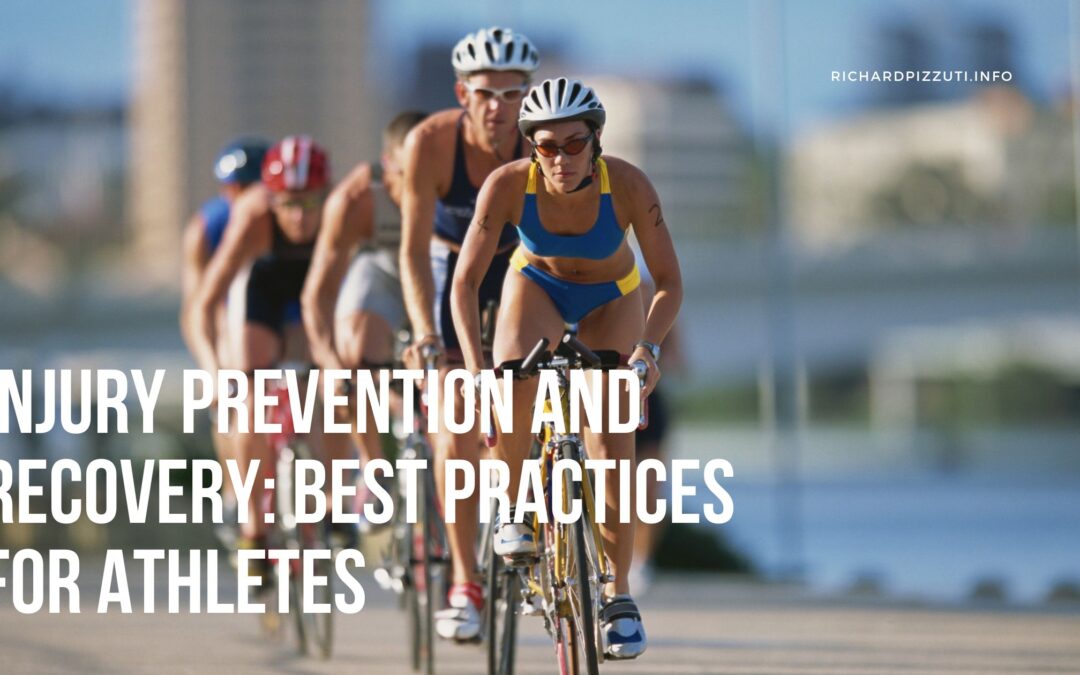
Injury prevention and recovery are critical aspects of athletic performance. They ensure that athletes can perform at their best while minimizing downtime. Implementing best practices in these areas not only helps athletes stay healthy but also extends their careers and enhances overall performance.
Effective injury prevention starts with proper training and conditioning. Athletes should engage in a well-rounded fitness program that includes strength training, flexibility exercises, and aerobic conditioning. Strength training helps to build muscle support around joints, reducing the risk of strains and sprains. Flexibility exercises, such as stretching and yoga, improve range of motion and decrease the likelihood of muscle injuries. Aerobic conditioning enhances overall endurance, which is essential for maintaining peak physical condition during competitions.
Warm-up routines play a crucial role in injury prevention. A thorough warm-up increases blood flow to the muscles, improving elasticity and reducing stiffness. Dynamic stretching, which involves active movements like leg swings and arm circles, is particularly effective in preparing muscles for strenuous activity. A well-designed warm-up should also include sport-specific drills that mimic the movements of the upcoming activity, helping to prepare the body for the demands of the sport.
Another important aspect of injury prevention is proper technique and form. Athletes should receive instruction and feedback on their technique to ensure that they perform movements correctly. Poor technique can place undue stress on the body, leading to injuries. Coaches and trainers should emphasize the importance of correct form and provide ongoing guidance to help athletes maintain proper technique throughout their training and competition.
Cross-training is another effective strategy for injury prevention. By incorporating a variety of activities into their training regimen, athletes can reduce the risk of overuse injuries. For example, a runner might include swimming or cycling in their routine to work different muscle groups and give their joints a break from repetitive impact. Cross-training also helps to improve overall fitness and balance, which can enhance performance and reduce the risk of injuries.
Recovery is just as important as prevention in maintaining an athlete’s health. Proper recovery techniques help to repair damaged tissues, reduce soreness, and restore energy levels. Key components of recovery include adequate rest, proper nutrition, and hydration. Athletes should ensure they get enough sleep each night to allow their bodies to repair and regenerate. A balanced diet rich in protein, carbohydrates, and healthy fats supports muscle repair and replenishes energy stores. Staying hydrated is also essential for maintaining optimal performance and preventing dehydration-related issues.
In addition to rest and nutrition, active recovery techniques can aid in the recovery process. Activities such as low-intensity swimming, cycling, or stretching can promote blood flow and help to reduce muscle soreness. Techniques like foam rolling and massage therapy can also alleviate muscle tension and improve circulation. Cold therapy, such as ice baths or cryotherapy, can help to reduce inflammation and speed up recovery.
Monitoring and addressing early signs of injury are crucial for effective recovery. Athletes should be aware of any pain, discomfort, or changes in their performance and seek medical attention if needed. Early intervention can prevent minor issues from becoming major injuries and facilitate a quicker recovery.
In conclusion, injury prevention and recovery are integral to an athlete’s success and longevity in their sport. By focusing on proper training, technique, warm-ups, cross-training, and effective recovery strategies, athletes can minimize their risk of injury and enhance their overall performance. Implementing these best practices helps to ensure a healthier and more successful athletic career.