
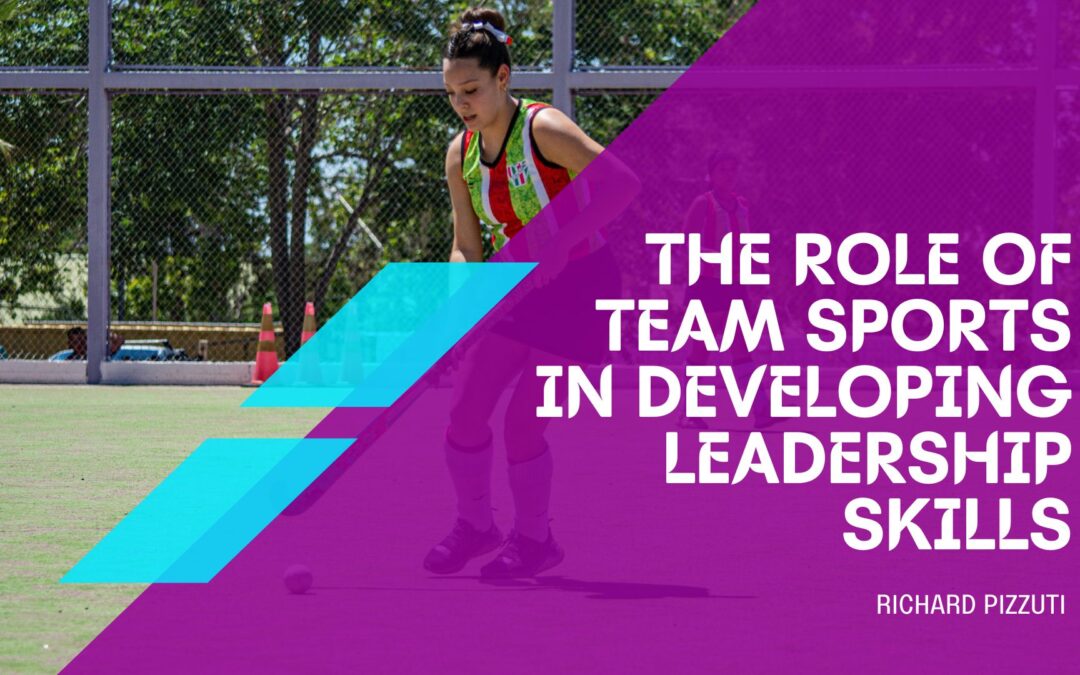
Leadership isn’t reserved for boardrooms and corner offices—it’s built on fields, courts, and tracks around the world. Team sports provide a powerful environment for developing leadership skills that last a lifetime.
Communication Is Key
Successful teams rely on constant communication. Players learn how to give clear instructions, offer encouragement, and provide constructive feedback. These communication skills are essential for effective leadership in any professional or social setting.
Accountability and Responsibility
In team sports, every player has a role. When someone doesn’t show up or give their best effort, the entire team feels it. This creates a strong sense of accountability—leaders learn to take responsibility not just for their own performance, but for the group’s success as a whole.
Leading by Example
Great team leaders don’t just talk—they act. Athletes learn that effort, attitude, and preparation set the tone for the team. Hustling during practice or staying positive after a loss inspires others to do the same, reinforcing the power of leading by example.
Conflict Resolution
Disagreements are inevitable when passionate people work toward a shared goal. Team sports teach individuals how to manage conflict, respect differing perspectives, and refocus on collective objectives—an invaluable leadership skill in workplaces and communities.
Building Trust
Trust is built through consistency and reliability. Teammates learn to depend on one another, fostering mutual respect. Leaders who earn trust in sports often carry that ability into leadership roles later in life.
Takeaway: Team sports are leadership training grounds, teaching communication, accountability, and trust in ways few other experiences can.