
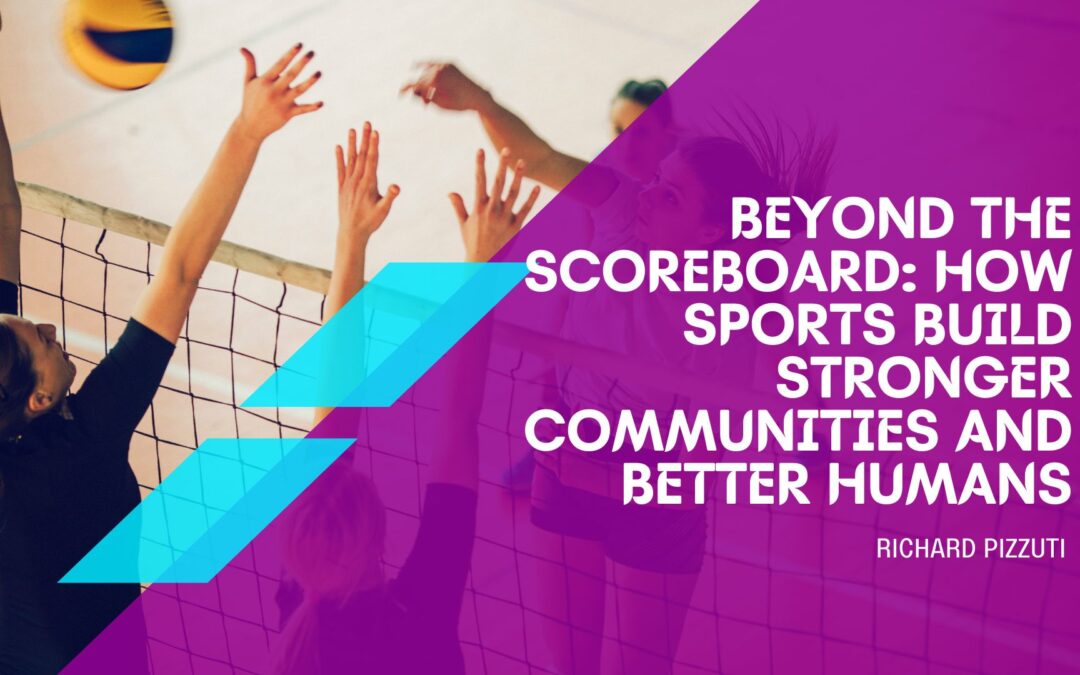
Sports are often seen as entertainment — a game played for fun, competition, or excitement. But their impact extends far beyond the scoreboard. Sports bring people together, create lifelong values, and shape individuals into stronger, more confident versions of themselves. In many ways, sports are one of society’s most powerful tools for building unity and character.
At their core, sports teach teamwork. Whether it’s soccer, basketball, volleyball, or baseball, athletes learn to work with others toward a shared goal. They develop trust, communication skills, and collective responsibility. Players come to understand that their success depends not only on their own performance but on the effort and support of their teammates.
Sports also instill discipline. Training, practice, and consistent improvement require commitment. Athletes learn to manage their time, set priorities, and maintain healthy routines. These habits extend into academics, careers, and personal life, creating strong, productive individuals.
One of the greatest gifts sports offer is leadership. Athletes learn how to motivate others, handle pressure, and make quick decisions. Whether they serve as captains or lead by example, they develop leadership qualities that benefit them far beyond the playing field.
Sports are also a powerful source of community bonding. From local games to global events like the Olympics or World Cup, sports bring people from different cultures, ages, and backgrounds together. Fans celebrate victories, endure losses, and create lasting memories. Communities unite behind teams, fostering pride, connection, and shared identity.
For youth, sports provide a safe and positive outlet. They offer physical activity, structure, and support systems that keep kids engaged and healthy. Coaches often serve as mentors, guiding young athletes through both athletic challenges and life lessons.
Sports contribute significantly to mental and physical health. Regular physical activity boosts cardiovascular fitness, strengthens muscles, and improves overall well-being. Mentally, sports reduce stress, increase confidence, and enhance mood through healthy competition and camaraderie.
Inclusivity has also become a major theme in modern sports. Adaptive sports programs create opportunities for individuals with disabilities. Girls’ and women’s sports continue to grow globally, promoting equality and representation. Programs for underserved communities help break barriers, offering kids opportunities they might not otherwise have.
Most importantly, sports teach resilience. Athletes experience wins and losses, challenges and setbacks. They learn how to cope with disappointment, stay motivated, and try again. These lessons shape strong, emotionally intelligent individuals who can navigate life’s obstacles with grace.
In the end, sports are much more than games. They are experiences that shape human character, connect communities, and teach values that last a lifetime. Beyond the scoreboard, sports inspire us to work hard, dream big, and support one another — both on and off the field.
Check out more blogs by Richard Pizzuti on WordPress!