
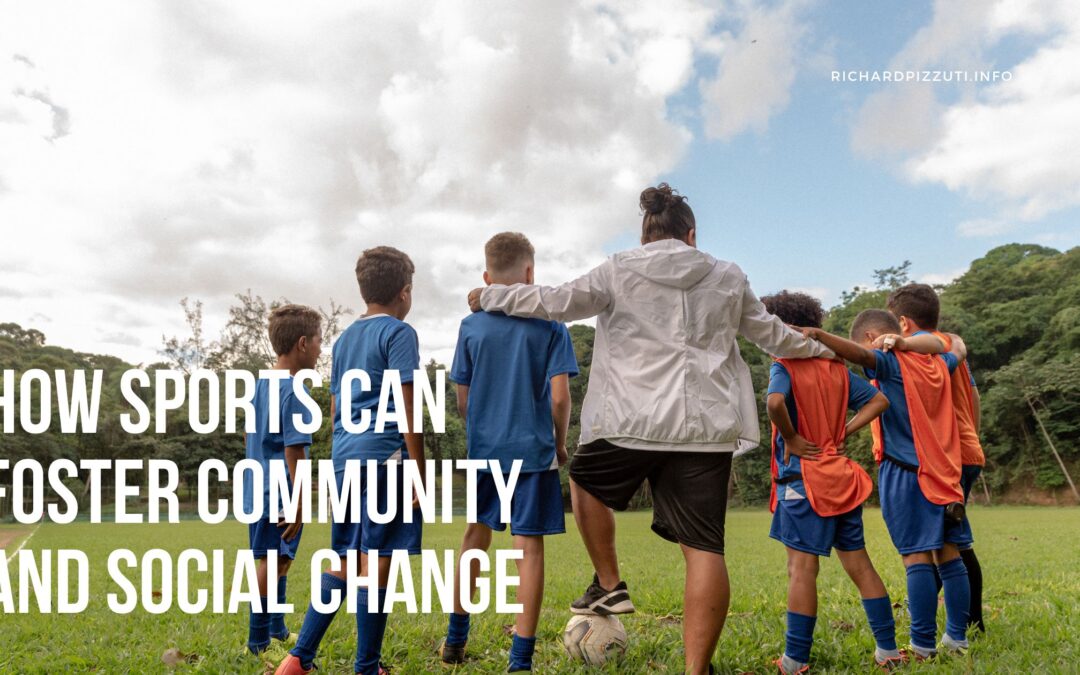
Sports have long been catalysts for fostering community spirit and driving social change. Their universal appeal transcends cultural, economic, and geographic boundaries, making them a powerful tool for bringing people together and addressing societal issues.
One of the primary ways sports foster community is by creating shared experiences and promoting inclusivity. Local sports events, from youth leagues to amateur competitions, provide a platform for community members to come together, support their teams, and build connections. These events foster a sense of belonging and pride, strengthening community ties and encouraging social interaction among diverse groups of people.
Sports also play a role in bridging divides and promoting social cohesion. They offer a common ground where individuals from different backgrounds can collaborate and compete on equal footing. This interaction helps break down social barriers and challenge stereotypes, fostering mutual understanding and respect. For instance, community sports programs that include participants from various ethnicities, socio-economic backgrounds, and abilities can promote inclusivity and reduce prejudice.
Moreover, sports can drive social change by addressing important social issues and advocating for equality. Many sports organizations and athletes use their platforms to raise awareness and support causes such as gender equality, racial justice, and mental health. High-profile athletes and teams can amplify these messages, inspiring their fans and communities to engage in advocacy and support social initiatives.
Youth sports programs, in particular, can have a transformative impact on underserved communities. By providing access to sports and recreational activities, these programs offer positive outlets for young people, promote healthy lifestyles, and reduce the likelihood of involvement in risky behaviors. Additionally, sports programs can serve as a vehicle for educational and career development, offering mentorship, scholarships, and opportunities for personal growth.
Sports also play a crucial role in disaster relief and recovery efforts. In times of crisis, sports organizations and athletes often mobilize to provide aid, raise funds, and offer support to affected communities. Sporting events and campaigns can generate significant resources and bring attention to urgent needs, facilitating collective action and recovery.
Furthermore, sports can promote social change by challenging and transforming existing norms and structures. Initiatives such as women’s sports leagues, adaptive sports programs, and LGBTQ+ inclusion in sports highlight and address issues of equity and representation. By promoting diverse and inclusive environments, sports contribute to broader societal shifts towards equality and acceptance.
In conclusion, sports have a profound ability to foster community and drive social change. Through shared experiences, inclusivity, advocacy, and positive impact on underserved populations, sports create opportunities for connection and transformation. As communities and organizations continue to recognize and harness the power of sports, they can leverage this force to build stronger, more cohesive societies and address critical social issues.